In Central Wisconsin, October has a way of changing the conversation at home. One week you’re opening the windows in the afternoon. The next, you’re standing by the thermostat wondering whether it’s time to turn on the heat.
It’s tempting to wait until the first truly cold day to think about your heating system. But that first long stretch of chilly weather is exactly when an unnoticed problem becomes hard to ignore. If the furnace struggles to start, one room never warms up, or the boiler makes a sound you haven’t heard before, you want time to address it before your home depends on steady heat every day.
For homeowners in our area, October is a practical time for a heating checkup. Here’s what you can look at yourself, what deserves a professional visit, and how to tell when your system is asking for attention.
Start with a test run before you need the heat
On a cool October morning, switch your thermostat to heating mode and set it a few degrees above the room temperature. Give the system time to start, then walk through the house.
Is warm air coming from the registers if you have a forced-air system? If you have radiators or in-floor heat, are the areas you expect to warm up doing so? Does the system reach the thermostat setting and shut off normally?
That short test run can reveal an issue while you still have flexibility to schedule service. It also helps you describe the problem accurately. “The furnace starts, but the upstairs bedrooms stay cold” gives a technician more to work with than “the heat doesn’t seem right.”
If you notice an unusual smell when the system first starts, use judgment. Dust that has settled during the off-season can cause a brief dusty odor. A strong, persistent, burning, electrical or gas-like smell needs prompt attention. If you smell gas, leave the area and contact your gas utility or emergency services from a safe location.
Check the filter—and the airflow around your home
If your home has a forced-air furnace, check its filter. A dirty filter can restrict airflow and make the system work harder. The U.S. Department of Energy’s home energy checklist recommends regular filter care and professional heating-system maintenance.
Use the filter type and replacement schedule specified for your equipment. Homes with pets, renovation dust or heavier system use may need more frequent checks. If you aren’t sure which way the filter goes, look for the airflow arrow on its frame or ask during your next service appointment.
Then look at the vents. A rug over a floor register or furniture pushed against a return grille can affect airflow. Make a quick pass through bedrooms, hallways and living spaces to ensure air can move as intended.
A consistently cold room isn’t always a filter problem, though. Ductwork, thermostat settings, insulation and the heating equipment itself can all play a role. If one area has never felt comfortable, mention it when you schedule service rather than assuming that’s simply how your house heats.
Pay attention to what your system is telling you
Heating problems often show up as small changes before the system stops working altogether. Watch for:
- Rooms that take longer than usual to warm up
- A furnace that turns on and off repeatedly
- New rattling, banging, squealing or other unusual noises
- A thermostat setting that doesn’t match how the house feels
- Higher heating costs without an obvious explanation
- Radiators or heated floors that warm unevenly
- Water around a boiler or other heating equipment
None of these signs tells you exactly which component is at fault. They do tell you that it’s worth having the system checked.
Best-1 Plumbing & Heating provides furnace repair and maintenance, along with boiler service and other heating solutions for the Weston area. If you have a boiler or radiant heat, let the team know what kind of system you have when you call so the appointment can focus on the symptoms you’re seeing.
Make room for a professional heating visit
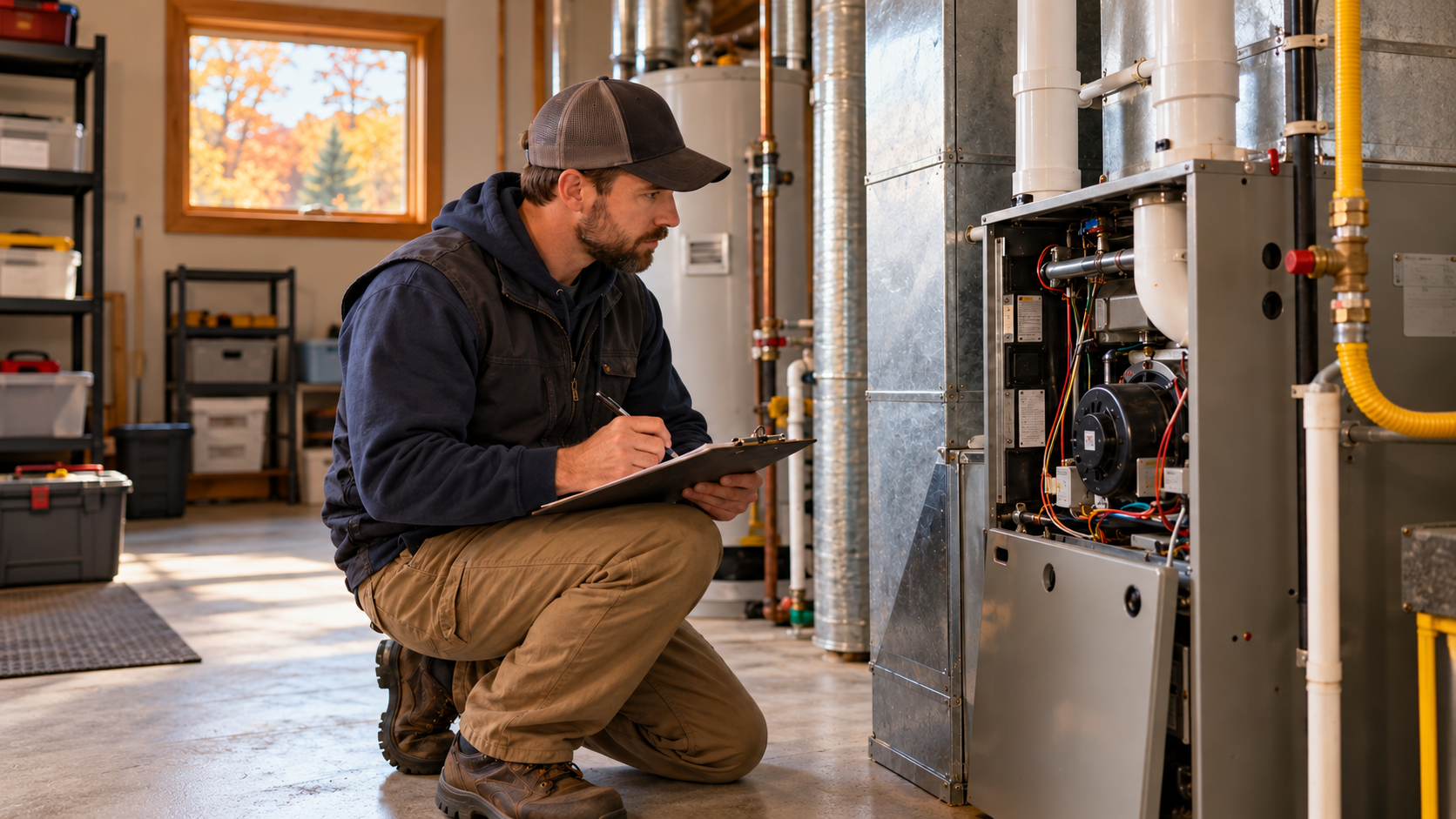
There are useful things homeowners can do—change an accessible filter, keep vents clear and test the thermostat. Inspecting combustion equipment, electrical components and system performance calls for a trained professional.
The Department of Energy recommends professional maintenance each year for a furnace or heat pump. During a fall appointment, a technician can assess the equipment, address maintenance needs and help you understand whether a concern calls for a repair now or continued monitoring.
An appointment is also a good time to ask questions you’ve been putting off. Why does the system seem louder this year? Is the temperature difference between floors normal for your setup? What maintenance does your particular boiler require? Should you consider a repair or start planning for eventual replacement?
You don’t need to know the technical terms. Tell the technician what you’ve noticed and when it happens. That information is genuinely useful.
Include carbon monoxide safety in your fall routine
If your home has fuel-burning heating equipment, carbon monoxide safety belongs on the October checklist. Carbon monoxide cannot be seen or smelled. The Centers for Disease Control and Prevention recommends an annual furnace inspection and carbon monoxide detectors near sleeping areas.
Test your alarms according to the manufacturer’s instructions and replace them when they reach the end of their listed service life. An alarm is an essential layer of protection, but it does not take the place of equipment maintenance.
If a carbon monoxide alarm sounds, follow its instructions and get everyone outside to fresh air. Call emergency services from outside the home. Don’t go back in until responders say it is safe.
October is also a good time to check that the area around your furnace or boiler is accessible. Stored boxes and household supplies can make equipment harder to inspect or service. Follow the equipment manufacturer’s guidance for required clearances.
Think about the whole house, not just the equipment
A well-maintained heating system can still struggle to keep a drafty house comfortable. On a windy day, notice where you feel cold air around doors, windows and other openings. Look for damaged weatherstripping or obvious gaps you can address.
Thermostat habits matter, too. Pick settings that fit your household’s schedule and comfort needs. If you have radiant or in-floor heating, ask a professional before making large, frequent temperature changes; those systems can respond differently from forced-air heat.
If you’re considering an upgrade because certain rooms are difficult to heat, describe the comfort problem first. The right answer may involve repairs, controls, ductwork or another approach. Best-1 works with several types of equipment, including furnaces, boilers and radiant in-floor heating.
Give yourself time before the cold settles in
A fall heating check doesn’t have to become a major home project. Set aside a little time to run the heat, check the filter if you have one, clear the vents, test your alarms and write down anything unusual. Those simple steps can make a professional appointment more productive—and help you head into winter with fewer surprises.
If your furnace or boiler needs attention, contact Best-1 Plumbing & Heating. We can help you get your heating system ready for the months ahead.
Client Testimonials
Professional plumbing & HVAC services in Weston with a small personal touch

Plumbing
Reliable plumbing services for repairs, installs, and everyday issues
Heating
Dependable heating and boiler repair services to keep your Weston home warm and comfortable

Cooling / AC
Professional AC services to keep your space cool and running smoothly
trusted products
We Work With The Best