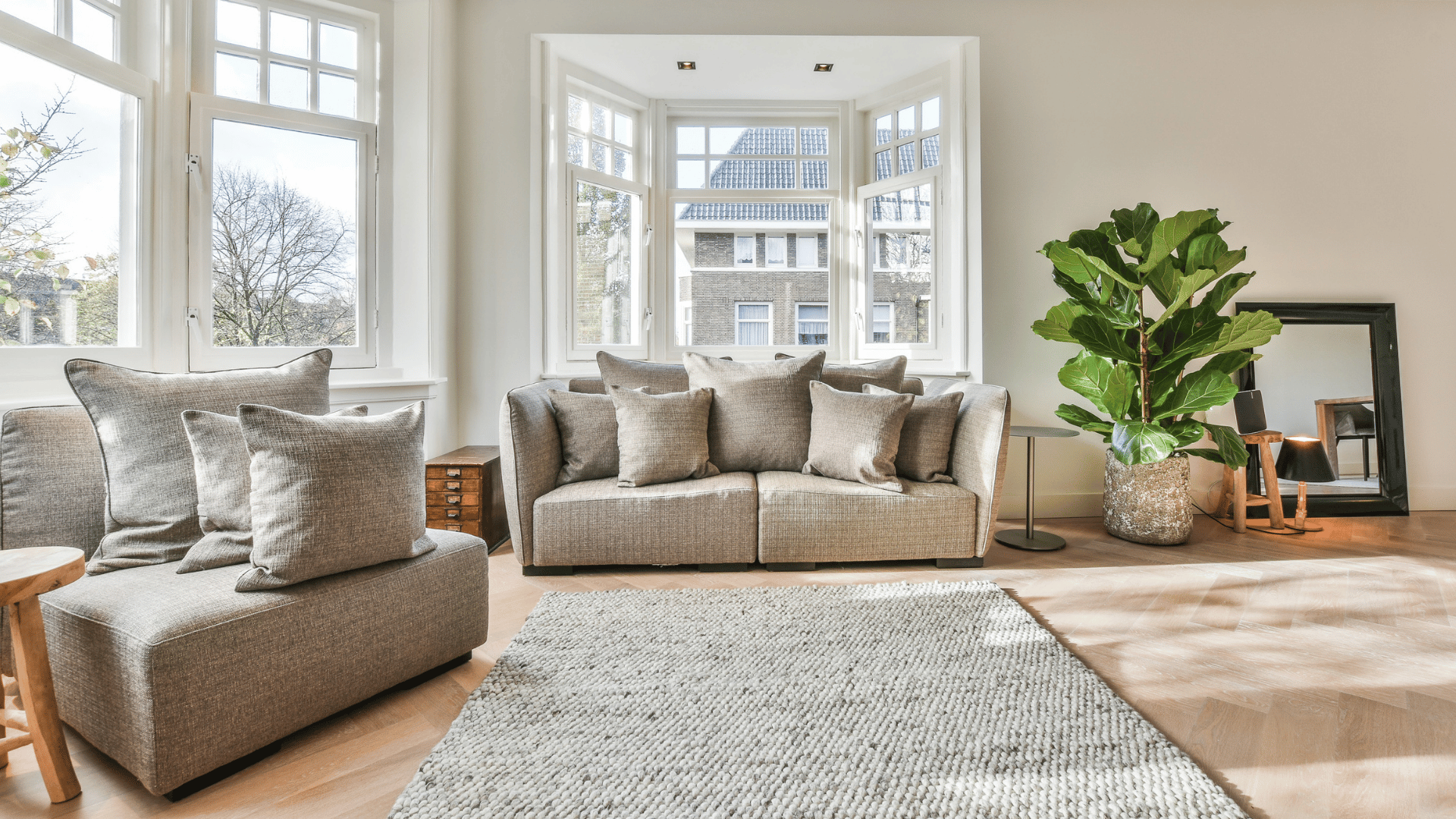
Have you ever walked from your warm living room into a bedroom that feels noticeably colder?
Maybe the kitchen is perfectly comfortable, but the upstairs office feels chilly. Or perhaps you’re constantly adjusting the thermostat because one part of your home never seems to warm up.
If this sounds familiar, you’re not alone.
Uneven heating is a common comfort complaint, especially when temperatures start dropping across Central Wisconsin in November.
For homeowners in Weston, Wausau, Schofield, Rothschild, Kronenwetter, and surrounding communities, the transition into winter often makes temperature differences between rooms much more noticeable.
And while it’s tempting to simply turn up the thermostat, that usually isn’t the best long-term solution.
At Best-1 Plumbing & Heating, we help homeowners understand and address heating problems that affect comfort, efficiency, and everyday living.
If one room in your home is always colder than the rest, here’s what could be happening and what you can do about it.
Is It Normal for Different Rooms to Have Different Temperatures?
Some temperature variation throughout a house is normal.
Rooms receive different amounts of sunlight, have different window sizes, and may be located above garages, near exterior walls, or in areas with less insulation.
A sunny living room might feel warmer than a north-facing bedroom, even when both receive heat from the same system.
However, noticeable temperature differences that make certain rooms uncomfortable may indicate a problem worth investigating.
For example, if your thermostat reads 70 degrees but your bedroom consistently feels much colder, the issue could involve airflow, insulation, ductwork, or the heating system itself.
The important thing is understanding why the temperature difference exists before deciding how to fix it.
1. Blocked or Restricted Air Vents
Sometimes the simplest explanation is the correct one.
If your home uses a forced-air furnace, heated air travels through ductwork and enters rooms through supply registers.
When those registers are blocked, partially closed, or covered by furniture, airflow can become restricted.
A bedroom with a large dresser positioned over a floor vent may not receive the same amount of warm air as other rooms.
Heavy curtains, rugs, and other household items can also interfere with airflow.
What can you check?
Walk through your home and locate the supply registers.
Make sure they’re open and not covered by furniture, rugs, or other objects.
Also check that return-air grilles aren’t obstructed. Your heating system needs a clear path for air to circulate back toward the furnace.
Avoid closing multiple vents in an attempt to force more heat into another room. Depending on the system, this can increase duct pressure and create additional airflow problems.
If all the registers are open but one room still feels cold, it’s time to look a little deeper.
2. Leaky or Poorly Designed Ductwork
Your furnace might be producing plenty of heat, but that doesn’t necessarily mean the heat is reaching every room.
In a forced-air system, ductwork carries heated air from the furnace throughout your home.
When ducts have leaks, loose connections, damaged sections, or inadequate insulation, some of that heated air may escape before reaching its intended destination.
This can be especially noticeable in rooms located far from the furnace.
According to ENERGY STAR, approximately 20% to 30% of the air moving through a typical home’s duct system can be lost through leaks, holes, and poorly connected ducts.
That lost air can contribute to uncomfortable rooms and higher heating costs.
Signs your ductwork may be contributing to uneven heating include:
- One or more rooms consistently feel colder than others.
- Airflow from certain registers seems weak.
- Heating bills are higher than expected.
- Some rooms take much longer to warm up.
- You hear unusual rattling or whistling near ducts.
- Temperature differences become more noticeable during very cold weather.
Ductwork problems aren’t always visible because much of the system is hidden behind walls, ceilings, and floors.
A professional inspection can help identify leaks, restrictions, or airflow imbalances that may be affecting your comfort.
Best-1 Plumbing & Heating offers heating and ductwork services for homeowners throughout the Weston area.
3. Poor Insulation and Drafty Windows
Sometimes your heating system is doing its job, but the room is losing heat faster than it can be replaced.
This is particularly common in older Wisconsin homes.
Rooms with inadequate insulation, drafty windows, or air leaks around exterior doors can struggle to maintain a comfortable temperature.
Bedrooms located above unheated garages may also feel colder because of heat loss through the floor.
Similarly, rooms with several exterior walls or large windows may lose heat more quickly than interior rooms.
What should you look for?
Pay attention to where the cold seems to originate.
Do you feel a draft near the window?
Is the floor unusually cold?
Does the room become noticeably chillier when the wind picks up?
These clues can help distinguish a building insulation problem from a heating system problem.
The U.S. Department of Energy’s ENERGY STAR program identifies air leaks, inadequate insulation, and ductwork issues as common causes of uncomfortable rooms.
Simple improvements such as weatherstripping, sealing appropriate air leaks, and upgrading insulation may help.
However, before investing in major improvements, it’s worth determining whether heat loss is the primary issue.
A room can have both insulation and airflow problems, and addressing only one may not completely resolve the temperature difference.
4. Your Furnace May Not Be Distributing Heat Evenly
Your furnace doesn’t have to stop working completely to create comfort problems.
Sometimes a heating system continues operating while delivering inconsistent results.
Potential causes include a dirty air filter, blower performance problems, restricted airflow, or issues with system controls.
A dirty filter, for example, can restrict airflow through the furnace.
When airflow is reduced, rooms that already receive less heat may become even more uncomfortable.
A furnace that’s cycling on and off unusually often may also struggle to maintain consistent temperatures throughout the house.
Other warning signs include:
- The furnace runs frequently without improving comfort.
- Airflow feels weaker than usual.
- Some rooms warm up while others remain cold.
- The furnace makes unfamiliar noises.
- Heating bills increase without an obvious explanation.
If you notice these symptoms, a professional heating inspection can help determine whether the problem involves the furnace, airflow, or another part of the system.
Best-1 provides furnace repair and heating services for Central Wisconsin homeowners.
5. Your Thermostat Location Could Be Part of the Problem
Most homes have a thermostat located in a central hallway, living room, or another frequently used area.
The thermostat measures temperature at its location, not throughout the entire house.
That distinction matters.
Imagine your thermostat is installed in a sunny living room.
On a bright November afternoon, sunlight warms that room enough for the thermostat to reach its target temperature.
The furnace shuts off because the thermostat believes the house is comfortable.
Meanwhile, a shaded bedroom on the opposite side of the house remains cold.
The heating system may be functioning normally, but the thermostat isn’t receiving a temperature reading that represents every room.
This doesn’t necessarily mean you need a new thermostat.
Instead, consider whether its location is contributing to the problem.
A heating professional can evaluate whether thermostat placement, system controls, or zoning options might improve comfort.
For some homes, a properly designed zoning system can allow different areas to receive heating based on their individual needs.
However, zoning isn’t appropriate for every system and should be designed carefully to maintain proper airflow.
6. Two-Story Homes Can Have Unique Heating Challenges
If you live in a two-story home, you’ve probably noticed that temperatures can vary between floors.
Warm air naturally rises, which can contribute to upstairs rooms becoming warmer than downstairs spaces.
However, actual temperature patterns depend on the home’s layout, insulation, ductwork, airflow, and heating system design.
Some upstairs bedrooms may still feel colder, particularly when they’re located above unheated spaces or have significant exterior exposure.
Rooms at the end of long duct runs may also receive less conditioned air.
In larger homes, a single thermostat and one heating zone may struggle to accommodate different comfort needs.
Potential solutions depend on the cause and might include ductwork improvements, air sealing, insulation upgrades, or professionally designed zoning.
Rather than simply adjusting the thermostat repeatedly, identifying the source of the imbalance can lead to more effective improvements.
7. What If Your Home Uses Radiant Heat or a Boiler?
Not every Wisconsin home relies on a forced-air furnace.
Many homes use boilers, hot-water baseboards, radiators, or in-floor radiant heating systems.
These systems distribute heat differently, so the reasons for uneven temperatures can also be different.
For example, a room with hydronic baseboard heating may feel cold because water isn’t circulating properly through that section of the system.
Other possibilities include a malfunctioning zone valve, thermostat problem, circulation issue, or air trapped in part of the system.
With in-floor radiant heating, uneven temperatures may involve the system’s controls, circulation, or heat distribution.
Unlike forced-air systems, these problems generally won’t be resolved by checking air registers or replacing a furnace filter.
If your home uses a boiler or radiant heating system, it’s important to have the correct equipment evaluated.
Best-1 Plumbing & Heating provides boiler services and heating solutions for homes with different heating configurations.
8. Should You Use a Space Heater in a Cold Room?
When a bedroom or office feels chilly, a portable space heater can seem like a convenient solution.
While space heaters may provide temporary supplemental warmth, they shouldn’t automatically become the long-term answer to uneven heating.
Portable heaters use additional energy and introduce safety considerations.
If you use one, choose a properly certified model with appropriate safety features, follow the manufacturer’s instructions, and keep it at least three feet away from combustible materials.
Plug it directly into a suitable wall outlet rather than an extension cord or power strip, and never leave it operating unattended or while sleeping.
A space heater also won’t correct underlying ductwork, insulation, or heating equipment problems.
If you regularly need supplemental heat to make a room comfortable, it’s worth finding out why the home’s primary heating system isn’t meeting your needs.
9. How to Figure Out What’s Causing a Cold Room
Before scheduling service, there are a few simple observations that can help narrow down the problem.
Step 1: Compare room temperatures.
Use a reliable thermometer to check temperatures in several rooms at approximately the same time.
This can help determine whether the difference is minor or significant.
Step 2: Check for airflow.
If you have forced-air heating, compare the airflow coming from registers in the cold room with nearby rooms.
Noticeably weaker airflow may suggest a restriction or distribution issue.
Step 3: Look for drafts.
Check around windows, doors, and exterior walls for noticeable cold air movement.
Step 4: Inspect the furnace filter.
If your system uses a replaceable filter, check its condition and replace it according to the manufacturer’s recommendations.
Step 5: Notice when the problem occurs.
Is the room cold all day, or only at night?
Does it become colder during windy weather?
Does the temperature improve when the furnace runs for an extended period?
Step 6: Consider the room’s location.
A room above a garage, at the end of a hallway, or with several exterior walls may have different heating needs.
These observations can help a heating professional diagnose the problem more efficiently.
Avoid opening furnace panels, adjusting gas components, or attempting electrical repairs yourself.
10. Can Fixing Uneven Heating Lower Your Energy Bills?
Potentially, yes.
When one room is uncomfortable, many homeowners compensate by increasing the thermostat setting for the entire house.
Unfortunately, this often means heating already comfortable rooms more than necessary.
The furnace may run longer, increasing energy consumption without fully solving the problem.
If uneven heating is caused by duct leaks, airflow restrictions, or inadequate insulation, correcting those issues may improve comfort while reducing wasted energy.
ENERGY STAR explains that properly sealing and insulating ductwork can improve heating and cooling efficiency, particularly when ducts travel through unconditioned spaces.
You can learn more through its duct sealing recommendations.
Of course, the actual savings depend on your home, heating system, and the underlying cause of the temperature difference.
The goal isn’t simply to use less heat. It’s to distribute and retain heat more effectively so your home feels comfortable without unnecessary energy use.
Frequently Asked Questions About Uneven Heating
Why is my bedroom colder than the rest of the house?
Common causes include blocked vents, poor insulation, drafty windows, leaky ductwork, or inadequate airflow. The room’s location and thermostat placement can also contribute.
Can a dirty furnace filter make one room colder?
Yes. A dirty filter can restrict airflow throughout a forced-air heating system. Rooms that already receive less airflow may become noticeably colder.
Should I close vents in warm rooms to heat colder rooms?
Generally, this isn’t recommended without professional guidance. Closing vents can increase system pressure and interfere with proper airflow.
Can a thermostat fix uneven heating?
A thermostat may help when inaccurate readings or poor placement are contributing to the problem. However, it won’t repair leaking ducts, inadequate insulation, or mechanical heating issues.
When should I call an HVAC professional?
If one or more rooms remain consistently uncomfortable despite basic checks, or you notice weak airflow, unusual furnace behavior, or rising heating bills, a professional evaluation is a good next step.
If you smell gas, leave the building and contact your gas utility or emergency services from a safe location. If a carbon monoxide alarm sounds, get everyone outside immediately and call emergency services.
Make Every Room More Comfortable This Winter
You shouldn’t have to wear an extra sweater in one room while another part of your house feels perfectly warm.
Uneven heating can be frustrating, but it often has an identifiable cause.
Whether the issue involves ductwork, furnace performance, thermostat placement, or a boiler or radiant heating system, understanding what’s happening is the first step toward a more comfortable home.
For homeowners in Weston, Wausau, Rothschild, Schofield, Kronenwetter, and surrounding Central Wisconsin communities, November is a good time to address persistent cold spots before winter temperatures become even more demanding.
At Best-1 Plumbing & Heating, we provide professional heating services designed to help homeowners maintain dependable comfort throughout the colder months.
Tired of dealing with cold rooms and uneven heating?
Explore our heating services or contact Best-1 Plumbing & Heating to schedule an appointment.
Call (715) 241-0883 and let our team help you find a solution that makes your home more comfortable this winter.
Client Testimonials
Professional plumbing & HVAC services in Weston with a small personal touch

Plumbing
Reliable plumbing services for repairs, installs, and everyday issues
Heating
Dependable heating and boiler repair services to keep your Weston home warm and comfortable

Cooling / AC
Professional AC services to keep your space cool and running smoothly
trusted products
We Work With The Best