Traditional Ducted Systems
Most homes are built using a ducted heating and cooling system, which takes in air through a series of ducts to heat or cool it, and then distributes it into the living space using another system of ducts. However, this requires thicker walls to house the ducts and a large space for the central heating and cooling unit. This can be impractical for some living spaces, like apartments, garages, or additions to the home or building. One solution to this problem is a ductless mini-split system.
What is a Mini-Split?
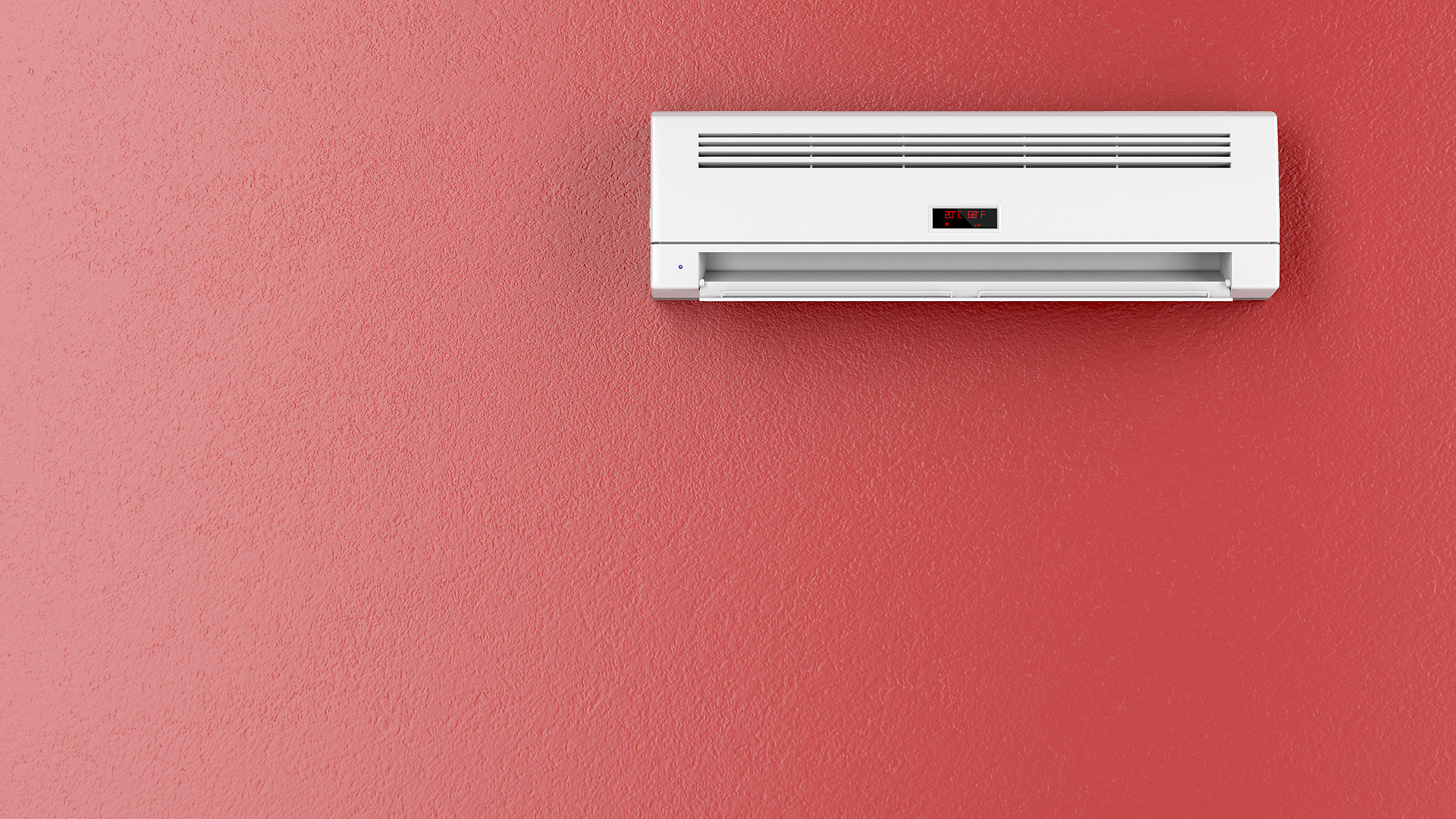
A mini-split consists of two units – one indoors and one outdoors – connected by refrigerant tubing and electrical wires through an access hole in the wall. The outside unit contains the compressor, condenser coil, and fan. The inside unit contains the evaporator coil and blower fan. The inside unit is typically mounted on the wall, but some can be mounted on the ceiling if there’s enough space, including ceiling-mounted “cassette units.”
Benefits of a Mini-Split System
Mini-splits offer a versatile system that can adapt to various requirements for individual living spaces. Ductless mini-splits offer many advantages over ducted systems:
Easy Installation
Mini-splits only require a 2- to 3-inch hole drilled through the wall to allow the tubing and wires to pass. The outside unit can be placed anywhere there is enough space, and the indoor unit can be placed where it is most convenient.
No Ductwork
Ducted systems need walls thick enough to accommodate ducts. Mini-splits are perfect for spaces where ducted systems are undesirable or impossible.
Safety
Unlike central heating units that burn fuels and produce gases, mini-splits heat and cool air by circulating it through the unit, creating zero harmful emissions.
Adaptability
Mini-splits come in a range of sizes to suit individual room requirements, allowing you to select the right unit for your space while reducing energy consumption and saving money.
Maintenance & Upgradability
Central systems can be expensive to maintain and replace. Mini-splits are generally easier to maintain and simpler to upgrade or replace.
Disadvantages
While mini-splits offer substantial benefits, a few tradeoffs should be considered.
Higher Price
Mini-split units typically start around $2,000 per unit, and costs increase if multiple units are needed. This can be higher than replacing a central system when ductwork already exists.
Limited Coverage
Mini-split units are designed for individual rooms or zones. To maintain consistent temperatures throughout a home, multiple units are required, whereas ducted systems cover entire homes more easily.
More Frequent Maintenance
Mini-splits often require maintenance twice a year, compared to once annually for many central systems.
Extreme Weather Conditions
Mini-splits typically operate between -15°F and 90°F. Special features may be needed for performance in more extreme temperatures.
Which is better: Central or Mini-Split?
Both traditional and mini-split systems offer advantages and disadvantages. Ductless mini-splits provide an efficient solution for individual spaces, while ducted systems offer broader coverage and often lower installation costs. The right choice depends on your specific needs.
Interested in a mini-split system?
At Best-1 Plumbing & Heating, we have knowledgeable technicians ready to help you find the right solution. Contact us by phone, through our website, or on Facebook to schedule an appointment today.
Client Testimonials
Professional plumbing & HVAC services in Weston with a small personal touch

Plumbing
Reliable plumbing services for repairs, installs, and everyday issues
Heating
Dependable heating and boiler repair services to keep your Weston home warm and comfortable

Cooling / AC
Professional AC services to keep your space cool and running smoothly
trusted products
We Work With The Best